Open RAN

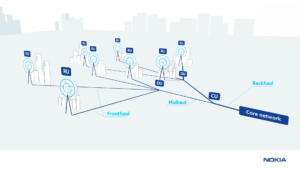
Here’s an introduction about Open RAN in Telecommunications network.

The introduction of Open RAN, is the final piece of the unbundling puzzle that enables mobile network operators to use equipment from multiple vendors and still ensure interoperability.

Source : Nokia

स्वास्थ्य तथा जनसङ्ख्या मन्त्रालयको बजेट

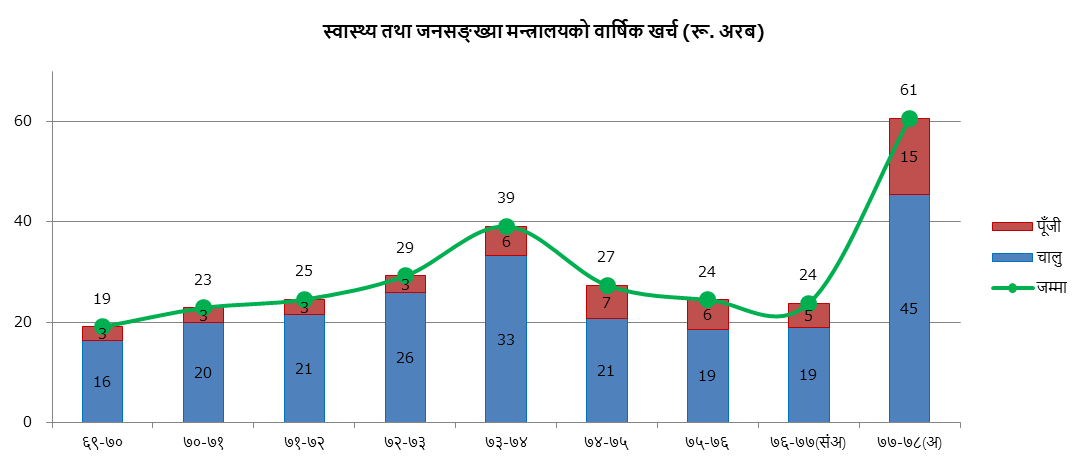
स्वास्थ्य तथा जनसङ्ख्या मन्त्रालयको आगामी आर्थिक वर्ष २०७७-७८ को बजेटमा उल्लेख्य वृद्धि भएको छ ।

वर्तमान आर्थिक वर्षको संशोधित अनुमान २४ अरबको तुलनामा आगामी आर्थिक वर्षमा यसलाई ६१ अरब पुर्याइएको छ। चालु खर्चलाई १९ अरबबाट ४५ अरबमा र पूँजी खर्चलाई ५ अरबबाट १५ अरबमा बढाइएको छ ।

कोरोना फैलिरहेको अहिलेको अवस्थामा यो वृद्धि धेरै अपेक्षित पनि थियो ।

यद्यपि खर्च गर्ने क्षमता अहिलेभन्दा करीब तीन गुनाले बढाउनु पर्ने देखियो, विशेष गरी पूँजीतर्फ ।

अहिलेसम्मको तथ्याङ्क हेर्दा पूँजीतर्फ वार्षिक पाँच-सात अरब जति खरब गर्न सकिने रहेछ । र एकै वर्षमा १५ अरब खर्च गर्नको लागि चाहिं राम्रै योजना र कार्यान्वयनको आवश्यकता छ ।

Pregnancy and Nature Selection

Came across this fascinating example of natural selection right at the early phase of human birth. It explains the logic behind the pregnancy sickness. Despite all the hardship pregnant women have to undergo, one safe assumption you can make is: the baby is probably just fine.

An interesting example is a new theory of pregnancy sickness (traditionally called “morning sickness”) by the biologist Margie Profet. Many pregnant women become nauseated and avoid certain foods. Though their sickness is usually explained away as a side effect of hormones, there is no reason that hormones should induce nausea and food aversions rather than, say, hyperactivity, aggressiveness, or lust. The Freudian explanation is equally unsatisfying: that pregnancy sickness represents the woman’s loathing of her husband and her unconscious desire to abort the fetus orally.


Profet predicted that pregnancy sickness should confer some benefit that offsets the cost of lowered nutrition and productivity. Ordinarily, nausea is a protection against eating toxins: the poisonous food is ejected from the stomach before it can do much harm, and our appetite for similar foods is reduced in the future. Perhaps pregnancy sickness protects women against eating or digesting foods with toxins that might harm the developing fetus. Your local Happy Carrot Health Food Store notwithstanding, there is nothing particularly healthy about natural foods. Your cabbage, a Darwinian creature, has no more desire to be eaten than you do, and since it can’t very well defend itself through behavior, it resorts to chemical warfare. Most plants have evolved dozens of toxins in their tissues: insecticides, insect repellents, irritants, paralytics, poisons, and other sand to throw in herbivores’ gears. Herbivores have in turn evolved countermeasures, such as a liver to detoxify the poisons and the taste sensation we call bitterness to deter any further desire to ingest them. But the usual defenses may not be enough to protect a tiny embryo.


So far this may not sound much better than the barf-up-your-baby theory, but Profet synthesized hundreds of studies, done independently of each other and of her hypothesis, that support it. She meticulously documented that (1) plant toxins in dosages that adults tolerate can cause birth defects and induce abortion when ingested by pregnant women; (2) pregnancy sickness begins at the point when the embryo’s organ systems are being laid down and the embryo is most vulnerable to teratogens (birth defect—inducing chemicals) but is growing slowly and has only a modest need for nutrients; (3) pregnancy sickness wanes at the stage when the embryo’s organ systems are nearly complete and its biggest need is for nutrients to allow it to grow; (4) women with pregnancy sickness selectively avoid bitter, pungent, highly flavored, and novel foods, which are in fact the ones most likely to contain toxins; (5) women’s sense of smell becomes hypersensitive during the window of pregnancy sickness and less sensitive than usual thereafter; (6j) foraging peoples (including, presumably, our ancestors) are at even higher risk of ingesting plant toxins, because they eat wild plants rather than domesticated crops bred for palatability; (7) pregnancy sickness is universal across human cultures; (8) women with more severe pregnancy sickness are less likely to miscarry; (9) women with more severe pregnancy sickness are less likely to bear babies with birth defects. The fit between how a baby-making system in a natural ecosystem ought to work and how the feelings of modern women do work is impressive, and gives a measure of confidence that Profet’s hypothesis is correct.

How the Mind Works – by Steven Pinker

The Alternative Politics Question

In light of the Bibeksheel-Sajhas disintegrating back to their original factions today, instead of pondering on what went wrong in hindsight, it is worth discussing how these meager forces might want to advance.

Today’s political and social positioning is a perfect breeding ground for an alternative politics.

The ruling Communist party, with an overwhelming majority, is losing credibility with corruption, nepotism and lack of results. This is frustrating the populace by the day. A nigh moribund main opposition Nepali Congress, with its vigor and glory long gone, is virtually directionless and too feeble to check the increasingly authoritarian government. The voters, on the other hand, are more conscious, competent and young than ever and are fed up with the vile of traditional politics. At the same time, technology, prominently communications and social media, has pierced almost to the core of even the least privileged class.

If handled well, we could as well see one such new a force, full of energy and morale and vision, magnify themselves into prominence by the next election – or the next.

One or two elections ahead, gone will be the days when politics used to be about peace and stability and identity. With the change in demographics and overflow of young generation into the urban centers, the main agenda will by far be economy.

In this backdrop, it is tough for these newborns. It is not possible for them to capture the helm of the country without elucidating their positions in the political map. Do they wish to control the financial market or do they advocate laissez-faire? What sort of, and to what depth of, social security do they envisage? What will be their policy on education, health and infrastructure? Do they support a more labor-based agenda or a more competitive market swaying to capitalism?

Till now, they have been mustering all their resources in building themselves a house, so to speak – a house that would give them a common stand and recognition. That the house in question has now ended up in a debacle within a matter of 17 months, the need to clarify their positions with respect to the above questions has never been more crucial.

We have heard enough about their values. Now it’s time they enlighten us with their visions. For otherwise, people will be asking one tough question: Are the incumbent political forces, with some reform, not better off to lead the country?

Goodbye 2018

Year 2018 was a motley ragbag of the good and the bad. Looking back, it was yet another fulfilling year blessed with good health and family happiness overall.

Like the monsoon which offers life and energy while afflicting floods and landslides at the same time, 2018 enriched our lives to an extent and left some stark and painful marks.

One week of cruise in the Mediterranean was not only a life-long dream accomplished but also a perfect time to re-establish the bond with nature, something I had been missing for many years. Two additional weeks of holiday in Nepal provided freshness and much needed break from work. It was my brother’s wedding and hence a perfect time for family gathering and celebration. 2018 was also the year when our daughter started nursery and it was a joy watching her grow.

2018 also came and ended with some pain and tragedy. Two dear friends passed away in an untimely age leaving us in deep pain and consternation.

As for some interesting reads, I came across two amazingly influencing books: Long Walk to Freedom by Nelson Mandela and Glimpses of World History by Jawaharlal Nehru. These two towering personalities of the 20th century have so much to offer the world. In addition to the wisdom and wit they present, their delicate and touching human side is bound to amaze and move readers. Others, to name a few, included Politics Beyond Extremes by Nick Clegg, What Happened by Hillary Clinton (her own narrative about the failed presidential campaign) and How Google Works by Eric Schmidt and Jonathan Rosenberg. Then came Healed, Manisha Koirala‘s story of her triumphant battle against her late-stage ovarian cancer, that is both resourceful and inspirational to patients and readers alike. On the fiction side of things, A Wild Sheep Chase (羊をめぐる冒険) and A Perfect Day for Kangaroo (カンガルーの日和) by Haruki Murakami were worth remembering.

Politically and socially, I think Nepal finally became very stable in 2018, something that we longed for the last 25 years. Despite a lot of negative fuss in the press, there is a lot of positive vibe and hope and confidence in the country. The direction and pace of social development may not necessarily be the epitome we would desire, but we undoubtedly are heading towards to the right direction on the whole. That is not to say we are free of challenges; especially in the areas of social justice, governance and all forms of equality, we have a long way to go.

2019, here we come.

On Faith and UPF Fever

With all the commotion and controversy the on-going Universal Peace Federation (UPF)‘s summit in Kathmandu is creating, the topics of religion, soul-searching, and proselytization have again struct some attention.

I always find the act of converting religion rather mystifying. No objection or disrespect towards anyone faithfully following the creeds and tenets put upon them from birth (myself in this category). However, if one is convinced that the pasture on the other side of the river is greener, than she definitely hasn’t looked around her feet well.

Whatever logic is given to justify religion or creationism, we all know for fact that gods and religions, so to speak in the common definitions of the terms, are results of human imagination.

Let’s, for a moment, assume that all children of the world were refrained from any form of religious education and events imposed upon them (brainwashing, in a less euphemistic term) and that they were free to choose their faith completely with their conscience at the end of their adolescence. What share of the society would follow their parents’ faith or any faith at all for that matter? I have no figures to share, but conceivably a significant portion.

Here’s a million dollar question: if a serf is intelligent enough to discern the abomination of the system that is abusing her, why should she switch to another master? Why not emancipate from the servitude altogether?

If one were not satisfied with their faith of birth, pursuing a new soul-searching in another faith is a fundamental right guaranteed in most of the democratic societies of the day. Deserting the notion of religion itself, however, seems more astute an option. Actually, I see such people everywhere in Nepal. The pious population is shrinking by the day and the religion is observed more as a tradition and not in the strict sense of the word.

In fact, it is astonishing to know that the west, despite its leadership in realizing the position of science and rationalism that they have achieved today, has larger chunk their society so rigid and rabid when it comes to faith.

In Nepal, we know for well a fact that the primary motivation behind such conversions has been economical and social – which religions themselves theoretically prohibit.

Coming back to the topic of UPF’s conference this week, the fact that it has received such an attention from the national level is preposterous and equally alarming.

Follow these people for rationalism, humanism, and secularism: @RichardDawkins, @taslimanasreen, @sapinker.

अप्रिलको एक बिहान शतप्रतिशतकी केटीसँग भएको भेटको बारेमा

-हारुकी मुराकामी

     अप्रिलको मौसम सफा भएको एक बिहान, हाराजुकु(१) पछाडिपट्टिको सडकमा मैले शतप्रतिशतकी केटीलाई भेटें।
     खासै सुन्दर केटी हैन। राम्रो कपडा लगाएकी पनि हैन। भर्खरै उठेर आएको जस्तो गरी उसको कपालको पछाडिको भाग कक्रक्क परेका थिए र उमेर पनि सायद करीब तीस पुगेको हुँदो हो। तर मैले पचास मीटर परैबाट उसलाई चिनें। ऊ मेरो लागि शतप्रतिशतकी केटी हो। उसलाई देखेको क्षणबाटै मेरो मुटु अनियमित चालमा धड्किन थाल्यो र मुख मरूभूमिजस्तै सुख्खा भयो।
     मानी लिऊँ, तपाईंलाई कुनै किसिमको केटी मन परेको हुन सक्छ। जस्तै सलक्क परेको पातलो पैतला भएको केटी, अथवा आँखा ठुली भएको केटी, अथवा राम्रा औंलाहरू भएकी, वा समय लगाएर बिस्तारै खाना खाने, त्यस्ता कुनै किसिमका केटी मन पर्न सक्छ। केटीको मामिलामा ममा पनि यस्तै प्राथमिकताहरू छन्। रेस्टुरेन्टमा खाना खाँदै गर्दा, पल्लो टेबलकी केटीको नाकको आकारले आकर्षित भएको पनि छु।
     यद्यपि शतप्रतिशतकी केटीलाई कस्तो किसिमको भनेर वर्गीकरण गर्न कसैले पनि कदापि सक्तैन। उसको नाकको आकार कस्तो थियो भनेर म पटक्कै सम्झन सक्तिन। हैन, उसको नाकै थियो या थिएन भन्ने पनि सम्झन सक्तिन। एक मात्र के सम्झिन्छु भने ऊ खासै सुन्दर थिइन। कस्तो अचम्मको कुरो हो है।
     “हिजो मैले शतप्रतिशतकी केटीलाई बाटोमा भेटें नि,” म कसैलाई भन्छु।
     “ए,” ऊ उत्तर दिन्छ। “राम्री थिई?”
     “हैन, त्यस्तो थिइन।”
     “उसो भए मनपर्ने खालकी थिई?”
     “त्यो त सम्झन सक्तिन। आँखा कस्तो आकारको थियो, छाती ठुलो थियो या सानो केही पनि सम्झेको छैन।”
     “अचम्म छ त बा!”
     “अचम्मै त नि!”
     “त्यसो भए,” ऊ पट्यार मान्दै भन्छ। “केही गर्यौ? उसलाई बोलाउने अथवा पिछा गर्ने जस्तै क्या!”
     “केही पनि गरिन,” म भन्छु। “उसलाई बाटोमा भेटेको मात्रै हो।”
     
     —
     
     ऊ पूर्वतिरबाट पश्चिम, म पश्चिमबाट पूर्वतिर हिंड्दै थियौं। साह्रै आनन्दमय अप्रिलको बिहान थियो त्यो।
     तीस मिनेटको लागि भए पनि मलाई ऊसित कुरा गर्न मन लाग्यो। उसको जीवनकथा सुन्न मन लाग्यो र उसको अगाडि खुल्न मन लाग्यो। र सबैभन्दा त सन् १९८१को अप्रिलको एउटा सफा मौसम भएको मनमोहक बिहानीमा हाराजुकुको पछाडिपट्टिको सडकमा हामीहरू एकअर्कालाई किन भेट्तैछौं, यो भाग्य जुर्नुको कारण खुलाउन मन लाग्यो। त्यसमा शान्तिकालीन बेलाको पुरानो मेसिनमा जस्तै न्यानो रहस्य लुकेको छ, कुनै सन्देह छैन।
     हामीहरू यस्तै केही गफहरू गरेर कतै लन्च खाईवरी उडी अलेन (२)को फिल्म हेरी, होटलको बारमा छिरेर कक्टेल अथवा केही पिउन पाइएला। मिल्यो भने त्यसपछि ऊसित सुत्न पनि मिल्ला।
     सम्भावनाहरू मेरो मुटुको ढोका ढक्ढक्याउँछन्।
     मेरो र उसको बीचको दूरी सिर्फ पचास मीटरमा नजिकिएको छ।
     मैले उसलाई कसरी बोलाउनु पर्छ होला?
     “नमस्ते। सिर्फ तीस मिनेटको लागि भए हुन्छ, मसँग कुरा गरिदिनुस् न!”
     छ्या कस्तो सिल्ली, बीमा बेच्न आँटेको जस्तो।
     “सुन्नुस् न, यता वरिपरि चौवीसै घन्टा खुल्ने कपडा धुने पसल छ?”
     यो पनि मिलेन, जबकि मसित मैलो कपडा जम्मा गरेको झोला नै छैन !
     अथवा सिधै सत्य कुरा खुलाउँदा पो ठिक हुन्छ कि ! “हेल्लो, तिमी मेरो लागि शतप्रतिशतकी केटी हौ नि।”
     उसले सायद त्यस्तो कुरा पत्याउँदिन। यदि पत्याइहाली भने पनि मसित गफ गर्न मन नलाग्न पनि त सक्छ। म तिम्रो लागि शतप्रतिशतकी केटी भए पनि तिमी मेरो लागि शतप्रतिशतको केटा हैनौ, उसले भन्न सक्छे। यदि त्यस्तो अवस्था आइपर्यो भने, निःसन्देह म साह्रै विलखबन्दमा पर्नेछु। म बत्तीस वर्ष पुगिसकेको मान्छे, आखिर उमेर बढ्दै जाने भनेको यस्तै कुरा त हो।
     फूल-दोकानको अगाडिपट्टि ऊ र म एकअर्कालाई पार गर्छौं। न्यानो हावाको सानो फोकाले मेरो छाला स्पर्ष गर्छ। पिच गरेको फुटपाथ पानीले भिजेको छ, र वरिपरि गुलाबको बासना मगमग छ। म उसलाई बोलाउन सक्तिन। उसले सेतो स्विटर लगाएकी छ र दाहिने हातमा टिकट नटाँसेको सेतो खाम बोकेकी छ। सायद उसले कसैलाई चिठी लेखेकी थिई। त्यो किन भन्न सकिन्छ उसको अनुहार साह्रै नै अनिंदो थियो; त्यो चिट्ठी उसले रातभरि नै लगाएर लेखेकी पनि हुन सक्थी। र त्यो खामभित्र उसको सबै व्यक्तिगत र गोपनीय कुराहरू थुनिएका पनि हुन सक्छन्।
     केही कदम हिंडेर पछाडि फर्कंदा उसको आकार मान्छेहरूको भीडमा हराइसकेको थियो।
     
     ****
     
     त्यस बेला मैले ऊसित के भनेर गफ शुरु गर्न पर्थ्यो, त्यो मलाई अहिले भने प्रष्ट थाहा छ । तर त्यो साह्रै लामो हुन्थ्यो र सायद मिलाएर भन्न चाहिं म सक्ने थिइन। मेरो मनमा फुरेको वाक्य त्यति व्यवहारिक पनि छैन।
     जे होस्, मेरो कुरा “एकादेशमा” बाट शुरु भई “कहानी साह्रै दुखद छैन त?” मा समाप्त हुन्छ।
     
     ****
     
     एकादेशमा, धेरै पहिले, एउटा किशोर र एउटी किशोरी थिए। केटो अठार वर्षको थियो, केटी सोह्र वर्षकी थिई। केटो ह्यान्ड्सम् पनि होइन, केटी पनि खासै राम्री थिइन। ती जहाँ पनि भेटिन सकिने एक्ला साधारण किशोर-किशोरी थिए। तर ती दुवै जना यो संसारको कुनै कुनाकाप्चामा आफूलाई शतप्रतिशत मिल्ने केटी र केटा छ भनेर गहिरोसँग विश्वास गर्दथे।
     एक दिन ती दुई जना कुनै सडकछेउमा अकस्मात भेट्न पुगे।
     “ओहो कस्तो अचम्म, म अहिलेसम्म तिमीलाई नै खोज्दै थिएँ। पत्याउन्न हौली, तर तिमी मेरो लागि शतप्रतिशतकी केटी हौ।” केटोले केटीलाई भन्यो।
     केटीले केटालाई भनी, “तिमी नै मेरो लागि शतप्रतिशत मिल्ने केटा हौ। सबै कुरा मैले कल्पना गरेको जस्तै दुरुस्त। सपनै जस्तो पो भयो त।”
     दुई जना पार्कको बेन्चमा बसेर लामो समयसम्म पट्यार नमानी गफमा भुलिरहे। उनीहरू अब एक्ला थिएनन्। शतप्रतिशत मिल्ने साथी चाहनु र शतप्रतिशत मिल्ने साथीबाट चाहिनु भनेको, ओहो, कति ठुलो र भाग्यमानी कुरा !
     तर ती दुईको मनमा सानो, साह्रै सानो, शंका उब्जियो। लामो सपना यति सजिलैसँग यथार्थमा परिणत हुन हुन्छ?
     केही बेर भलाकुसारी रोकिएको मौका पारेर केटाले भन्यो, “सुन न, अब एक चोटि परिक्षण गरी हेरौं। यदि हामी साँच्चिकै एकअर्कालाई शतप्रतिशत मिल्ने प्रेमी-प्रेमिका हौं भने पक्कै पनि कुनै न कुनै दिन फेरि पनि हाम्रो भेट हुनेछ। र त्यस बेला भेट हुँदा एकअर्काको लागि शतप्रतिशत मिल्ने जोडी हौं भने तत्कालै बिहे गरौं। हुन्छ?”
     “हुन्छ,” केटीले भनी।
     यसरी ती दुई जना छुट्टिए।
     तर साँच्चै भन्ने हो भने त्यसरी परिक्षण गरिरहने आवश्यकता रतिभर थिएन। किनभने उनीहरू सच्चा शतप्रतिशतका प्रेमी-प्रेमिका थिए। र भाग्यको छालले उनीहरूलाई अन्तै डोर्याउँदै लग्यो।
     कुनै वर्षको शिशिरयाम फैलिएको इन्फ्लुएञ्जा लागेर ती दुई जना धेरै हप्तासम्म मृत्युको संघारमा पुगेर अन्ततः बाँच्न त सके तर पुराना स्मृतिहरू हराउन पुगे। आँखा खोल्दा उनीहरूको स्मृतिपटल किशोरअवस्थाको डि.एच्. लरेन्स्को खुत्रुकेजस्तै खालि थिए।
     तर ती दुई साह्रै बुज्रुक अनि सहनशील किशोर‍-किशोरी थिए र संघर्षपछि संघर्ष गर्दै ज्ञान र भावनाहरू सिक्दै-जान्दै अन्तत्वगोत्वा पुनः समाजमा फर्कन सक्ने भए। उनीहरू रेलस्टेसन परिवर्तन गर्न, हुलाकमा एक्स्प्रेस डेलिभरी गराउन पनि सक्ने भए। अनि पचहत्तर प्रतिशतको प्रेम र असी प्रतिशतको प्रेम पनि अनुभव गरे।
     यसो हुँदाहुँदै केटो बत्तीस वर्षको भयो भने केटी तीस वर्षकी। समय आश्चर्यलाग्दो वेगमा बित्तै थियो।
     र अप्रिल महिनाको एउटा सफा मौसम भएको बिहानीपख केटो मर्डिङ्-सर्भिसको कफी पिउन हाराजुकुपछाडिको बाटोमा पश्चिमतिरबाट पूर्व जाँदै हुन्छ भने केटी एक्स्प्रेस-डेलिभरी गर्नको लागि हुलाक टिकट किन्न उही बाटो पूर्वबाट पश्चिमतर्फ आइरहेकी हुन्छे। ती दुई बाटोको बीचमा एकअर्कालाई पार गर्न पुग्छन्। हराएको स्मृतिको सानो किरणले दुई जनाको मुटुलाई छोटो समयको लागि भए पनि केही उज्यालो बनाउँछ।
     ऊ मेरो शतप्रतिशतकी केटी हो।
     ऊ मेरो शतप्रतिशतको केटो हो।
     तर स्मृतिको किरण साह्रै कमजोर भइसकेको हुन्छ। र उनीहरूका शब्दहरू चौध वर्षदेखि अस्पष्टका अस्पष्टै भइरहेको हुन्छ। दुई जना निशब्द एकअर्कालाई पार गरी भीडमा बिलाउन पुग्छन्।
     कहानी साह्रै दुखद छैन त?
     
     ****
     
     मैले ऊसँग यसो भनेर कुरा शुरु गर्नु पर्थ्यो।
     
—————-
(१) हाराजुकु – टोकियोको मध्येभागमा रहेको एउटा ठाउँको नाम।
(२) उडी अलेन – हलिउडको पुरानो कलाकार।

– अनुवादः कुमार सिंखडा

Help Prayash !

To all the contributors of crowd-funding which enabled me to distribute Justa-pata in Gorkha, a big thanks to you again.

As previously stated in the completion report, a total of the NRS 16,559 was in the balance.

I am happy to announce that NRS 20,000 (the above amount + NRS 3,441 from me personally) has been donated to Prayash Poudel of Ghatbesi, Bhimsen Village Municipality, Gorkha. My sister handed it over to him and his family earlier last month.

Prayash, 16, has been suffering from joint infection. While he has been discharged after over a month in intensive care unit in Kathmandu Medical College, he is yet to fully recover.

He and his family have a poor background and are survivors of the Great Gorkha Earthquake of 2015. They were also recipients of a share of Jasta-pata distributed by the same donation drive.

We wish Prayash all the best and a speedy recovery.

[nggallery id=11]

Westminster Attack on 22nd March

There was a serious incident in Westminster today (March 22nd) causing death to five and injury to forty more.

Westminster is a ultra-posh neighborhood that attracts thousands of visitors every day. Situated right at the bank of Thames, it houses Big Ben and the UK’s parliamentary house and is also in the walking distance of London Eye, St James Park and Buckingham Palace. It is also host to the famous Westminster tube station where I change trains on my commute every morning and every evening.

As the Scotland Yard works on the “who” and “why” questions and while the media explores any indication of terrorism, one can only speculate.

I, meanwhile, couldn’t help but notice traces of fear, suspicion and disbelief in the eyes of fellow passengers in the tube on my way home.

Understandably, many are reminded of recent attacks in Nice, Brussels and Berlin and there has been a constant fear of one in London as well.

For me, the nature of this attack, a reckless charge on an innocent crowd and involving a lethal weapon, brought memories of two separate incidents in the streets of Akihabara and Sendai a decade ago. The perpetrators in Japan turned out to be mentally unfit.

Terrorism or mental disorder, insane as they both are, whichever way the motive turns out to be will conceivably move the UK’s political and social paths in different directions.

Prime Minister Theresa May has said it’ll be business as usual in London tomorrow and hopefully it’ll be that way.

बुढीगण्डकी: मुअब्जामा तँछाड-मछाड गर्न छाडी एक पटक सोच्ने कि!

बुढीगण्डकी जलविद्युत योजना वास्तविकतामा परिणत हुँदा (यदि भएमा) आसपासको क्षेत्रमा विकराल सामाजिक-आर्थिक समस्या पनि बढ्दै जाने खतरा छ । यस विषयमा राज्य र स्थानीयस्तरमा समयमै पहल गर्नु आवश्यक छ ।

प्रभावित क्षेत्रमा मुअब्जा बाँड्न थालिएको समाचार पढ्दै गर्दा, यसै क्षेत्रको स्थायी बासिन्दाको हैसियतले, केही लेख्न मन लाग्यो ।

————————–

निकै वर्ष भयो, प्रत्येक पटक घर फर्कंदा सुनिने “हल्ला”हरू सधैं उस्तै उस्तै । अब दुई महिनामा मुअब्जा बाँड्ने रे, फलानो ठाउँमा त आइसक्यो, यति वर्षपछि यस्तो हुन्छ रे, आदि आदि ।

धेरै स्थानीयहरूमा पैसाको बिटो बुझ्ने हतारो देखिन्छ । “बुज्रुक” र “ठालु”हरू आ-आफ्नो “बिटो” झनै बाक्लो बनाउने कसरतमा लागेका छन् । व्यवहारिक रुपमा एउटै छानोमुनि बसे पनि कागजमा सकेसम्म धेरै ‘एकल’ परिवार (nuclear family) बनाउने लहर प्रत्येक धुरीसम्म फैलिएको छ । वर्षौंसम्म गाउँबाहिरै बस्नेहरू यही “मौका”मा “छाप्रो” बनाउन फर्किन थालेको सुनिन्छ । यदाकदा, दशौं वर्षअगाडि पढाउनको कञ्जुस्याइँले छोरीलाई बिहे गरी पठाइदिनेहरू एकाएक “अलिकति भए पनि” अंश छुट्याइदिन ललायित देखिन्छन् ।

“नियम”ले दिएसम्म सबैले बुझुन्, त्यसमा केही गुनासो भएन । यस लेखको प्रयास – यो लहर अन्तत्वगोत्वा निराशामा परिणत नहोस् भनेर सचेत गराउने मात्रै हो । र यो लेख, यसमा दिइएको तर्क अनि उदाहरण, र दिन खोजिएको मेसेज कुनै नकारात्मक सोचको उपज होइन, धरातलीय यथार्थ हो ।

‘राष्ट्रिय गौरब’को यो परियोजना बन्नुपर्छ, यसमा दुई मत हुन सक्तैन । तर यस भेगको “माटो” र “मान्छे”को यथार्थलाई बुझेर बहस गर्ने हो भने, मुअब्जा बाँडिएपछि र डुबान शुरु भएपछि प्रभावितहरूलाई कस्तो भविष्यले पर्खी बसेको छ, सोच्नु मनासिब हुनेछ । बुँदागतमा रुपमा केलाउँदा :

१) प्रभावित भेगका बासिन्दा प्रायः सबैको ऋण छ । त्यो कृषि बिकास बैंक या गाउँकै साहूहरूबाट लिएकै किन नहुन् ! कसैले भैंसी-पालनको ऋण लिएर छोराको बिहे गरेका छन्, कसैले खेत बन्धकी राखेर बुहारीको उपचार गराएका छन् । गाउँका पसल, मिल, वल्लाघर-पल्लाघरको उधारो तिरेतारो त छँदैछ । मुअब्जा बुझेको निकै रकम शुरुमै यस्तैमा जाने देखिन्छ ।

२) यस भेगका अधिकांश बासिन्दा सोझा कृषक छन् । त्यसमाथि अनपढ छन् । धेरैलाई पैसालाई व्यवस्थित रुपमा प्रयोग गर्ने क्षमता नै छैन भने पनि अत्युक्ति हुँदैन । उनीहरूले नयाँ ठाउँमा अंगाल्न सक्ने पेशा भनेको कृषि नै हो, उनीहरूलाई चाहिने जग्गा नै हो । आयोजनाको सेयर दिएर, वा आयोजना बनिसकेपछि जागीर दिने सपना देखाएर पनि हुँदैन । किनकि ‘पढेलेखेका’हरू धेरै जसो शहर र बिदेश पसेका छन्; वास्तविक विस्थापित त गाउँमै हलो-कोदालोमै बिताउनेहरू हुन् ।

३) चल सम्पत्ती, खर्च हुने ठाउँ दशथरी हुन्छन् । कसैलाई यही मौकामा दुबई-कतार जाने इच्छा पलाउला, कसैलाई २ तोला सुन किन्ने सपना होला, र कसैलाई छोराछोरीलाई महँगै स्कूल-कलेजमा हाल्ने आँट आउला । धेरैले दारु, मासु, र ‘मेरिज’मा पनि “लगानी” गर्नेछन् । उमेरदार छोरा-छोरी हुनेहरूलाई गच्छेभन्दा अलिकति माथि उक्लेर विवाह र भोज-भतेर गर्न आँट बढ्ला । गाउँमा पसल भएका एक भाइले भूकम्पको राहत बाँडेपछि पसलमा दारुपानीको बिक्री ह्वात्तै बढ्यो भनेर केही हप्ता अगाडि फेसबुकमा लेखेका थिए ।

४) पैसा बाँड्नेबित्तिकै वरिपरिका जग्गा र घर-घडेरीको मूल्य आकासिने छन् । र प्रभावितहरूको अहिले जति जग्गा छ, त्यसको धेरै कम क्षेत्रफल मिल्नेछ । वरिपरिका बासिन्दाहरूलाई पनि तत्काल जग्गा बेचिहाल्नु पर्ने बाध्यता पनि त छैन – उनीहरू भाउ दह्र्याउने मौकामा बस्नेछन् । जग्गा व्यापारमा सरकारले नियन्त्रण गर्न नसकेको यथार्थ त काठमाण्डौं या चितवन आदि ठाउँहरू हेरे पुग्छ ।

५) कि त मुअब्जा एक मु्ष्ठमा बाँडेर तत्काल गाउँ छोड्न लगाउन पर्छ । नत्र, वर्षैपिच्छेको महंगी (inflation) लाई बिचार गर्ने हो भने, पैसाको भाउ (value) घटिसकेको हुनेछ । अहिलेको १ लाख पाँच वर्षपछि त्योभन्दा धेरै कम मूल्य बराबर हुनेछ । त्यसले विस्थापित बासिन्दालाई हात मुख जोर्न आवश्यक जग्गा नपुग्ने निश्चित छ ।

६) बुढीगण्डकी आसपासमा डुब्ने अधिकांश जग्गा टार र सम्म भागहरू पर्छन् । पहाडी भेगमा भए पनि यिनमा बढी उब्जनी र सिंचाइको सुबिधा छ । विस्थापित बासिन्दा वरिपरिको जग्गामा बसाइँ सर्ने हो भने सिंचाइ र सुबिधाको हकमा अहिलेकोभन्दा कमसल ठाउँहरूमा चित्त बुझाउनु पर्ने हुन्छ ।

७) र यो पनि सत्य हो कि – बुढीगण्डकी आसपासका टारका औसत बासिन्दाहरू वरिपरिका डाँडाका बस्तीहरूको तुलनमा बढी सुखी छन् । यी टारहरूमा बस्ती पनि बाक्लै छन् भने सामाजिक सद्भाव पनि निकै हदसम्म उदार देखिन्छ । राजनीतिले गाँजिए पनि संकुचितपन र झै-झगडाहरू कम छन् । परिश्रम गर्नेहरूको लागि दुई छाक खानको लागि त्यति समस्या छैन । यदि यिनीहरू वरिपरिको समाजमा थुप्रिने हो भने नयाँ ठाउँका कठिनाइ र भेदभावलाई आँकलन गर्न गहारै पर्ने देखिन्छ ।

यी आदि कारणहरू ध्यानमा राख्ने हो भने एकाध अपवादलाई छोडेर प्रभावित क्षेत्रका बासिन्दालाई मुअब्जामा आउने रकम उल्टै घाँडो हुने निश्चित छ । पैसा मात्रै बुझेर आ-आफ्नै ढंगले तितरबितर हुने हो भने ठुलै सामाजिक र आर्थिक असर पर्नेछ ।

यो परिवेशमा डुबान क्षेत्रका स्थानीय बासिन्दाहरूले पैसा लिन तँछाड‍-मछाड गर्ने, यति चाहिन्छ उति चाहिन्छ भनेर बार्गेनिङ् गर्ने समय यो होइन । बरू पूनर्वास कहाँ गर्ने, कस्तो समाज निर्माण गर्ने भनेर सोच्न र सम्बन्धित निकाय घचेट्न आवश्यक छ । अहिले जत्तिकै फराकिलो र मलिलो जग्गा सट्टामा पाएर, अहिलेको जत्तिकै वा बढी मिलेको बस्ती बनाउनेतर्फ अग्रसर हुन पर्छ । होइन भने सक्नेहरू चितवन-काठमाण्डौं सर्ने र नसक्ने-सोझाहरू सुकुम्बासी हुने कुरा अवश्यम्भावी छ ।

उसो त, भूकम्पपछि सुकुम्बासीसरह बस्नु परेको बाध्यात्मक यथार्थ त हामीमा छँदैछ ।
[ngg_images source=”galleries” container_ids=”10″ display_type=”photocrati-nextgen_basic_thumbnails” override_thumbnail_settings=”0″ thumbnail_width=”100″ thumbnail_height=”75″ thumbnail_crop=”1″ images_per_page=”20″ number_of_columns=”0″ ajax_pagination=”0″ show_all_in_lightbox=”0″ use_imagebrowser_effect=”0″ show_slideshow_link=”1″ slideshow_link_text=”[Show as slideshow]” order_by=”sortorder” order_direction=”ASC” returns=”included” maximum_entity_count=”500″]